
Colorado's Premium Cost Containment Program: A Potential Way to Reduce Your Workers' Compensation Costs
Learn how Colorado's Premium Cost Containment Program can help eligible employers reduce workers' compensation premiums by up to 10% and how to start building a qualifying safety program.
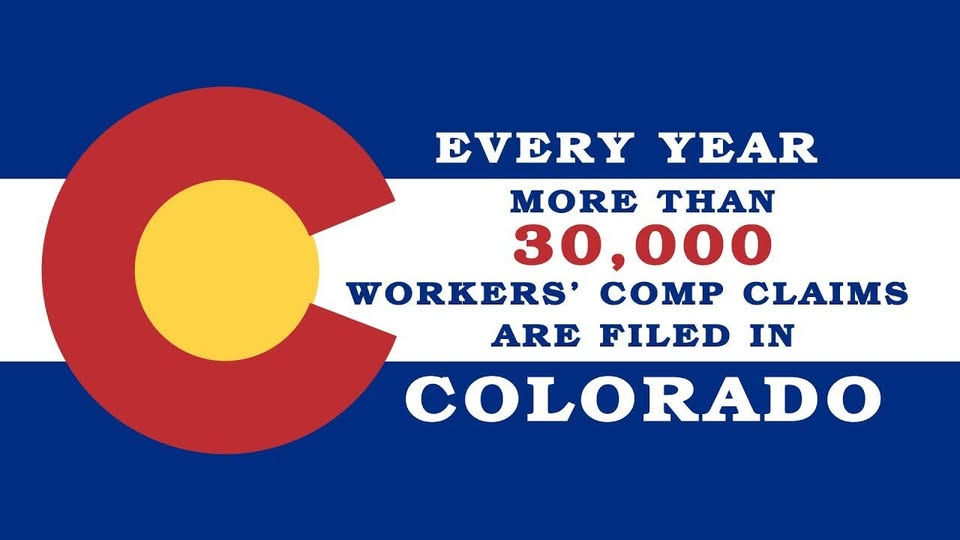
If I told you there was a Colorado program that could potentially reduce your workers' compensation premiums by up to 10%, would you know what I was talking about? If your answer is no, you're not alone! I’ve helped employers save thousands of dollars a year on workers’ compensation premiums through a Colorado program that many business owners have never heard of.
The Colorado Premium Cost Containment (PCC) Program is one of those programs that I think more Colorado businesses should know about, particularly businesses operating in higher-risk industries. I've personally helped employers work through the process of becoming certified in the program, and I've seen it save businesses thousands of dollars a year in workers' compensation costs. Yet, when I recently brought the program up in a conversation with a potential client, they had never heard of it. They also had no idea where to begin. That conversation was a good reminder of something I see frequently in HR: Sometimes the value isn't just fixing a problem. It's knowing an opportunity exists in the first place.
What is Colorado's Premium Cost Containment Program?
The Premium Cost Containment Program is administered through the Colorado Division of Workers' Compensation and is designed to encourage employers to establish and maintain effective workplace safety and loss-control programs. The program provides employers with resources and guidance to help develop those programs. Employers that achieve certification may qualify for up to a 10% direct discount on their workers' compensation insurance premiums, regardless of their insurance provider.
Although the premium savings are undoubtedly appealing, I believe there's an even greater advantage. A well-crafted safety program can assist a business in decreasing workplace injuries, enhancing consistency, clarifying expectations, and fostering a more proactive stance on workplace safety. It's not just about ticking a box to qualify for an insurance discount; it's about constructing a more robust safety framework for your business.
Who should pay attention to this program?
Businesses in higher-risk sectors should thoroughly evaluate the program to understand its benefits for enhancing workplace safety and efficiency.
Industries that should particularly consider this program include:
Construction: Known for risks like falls and equipment injuries.
Manufacturing: Faces risks from machinery.
Transportation: High accident potential due to long hours and road conditions.
Warehousing: Involves handling heavy goods.
Landscaping: Risks from equipment and environment. A
Hospitality: Risks of slips and falls. A
Property services: Includes maintenance risks.
Other sectors: Agriculture, healthcare, and retail face unique risks
This recommendation also applies to lower-risk sectors, as the program benefits any Colorado employer with workers' compensation insurance by improving safety practices and reducing injury costs. A culture of safety enhances employee protection, operational efficiency, and reputation. The Colorado Division of Workers' Compensation offers free support through the PCC Program, helping businesses navigate workplace safety with resources, training, and expert advice tailored to industry needs. Engaging with the PCC Program leads to a safer, more productive work environment.
Let's Talk About Two Common Misconceptions about the PCC
When discussing implementing a formal safety program, many think it requires starting from scratch. However, this is often not the case. Many businesses already engage in essential safety activities like employee training, safety discussions, and established procedures. They address injuries promptly, conduct regular inspections, and have dedicated safety personnel. The issue is that this knowledge often remains undocumented, leading to inconsistencies across departments. Without formal documentation, aligning everyone on safety protocols becomes challenging, potentially compromising their effectiveness. This highlights the misconception that businesses must completely overhaul their safety approach.
Misconception 1: “We don't have a formal safety program, so this is going to require a huge overhaul.”
Instead, the focus should be on enhancing existing practices systematically. Key steps include:
Identifying what’s missing: Assess current safety practices to find gaps.
Documenting responsibilities: Clearly define roles within the safety framework.
Establishing consistent processes: Standardize procedures to reduce variability.
Recording training and safety activities: Keep detailed records to track progress.
Formalizing policies and procedures: Develop comprehensive safety guidelines.
Ensuring managers understand their responsibilities: Train managers on safety leadership.
Developing a system to maintain everything over time: Regularly review and update safety documentation.
Misconception 2: “Won’t documenting injuries just increase my workers’ comp costs?”
This is a concern I've heard from business owners before. The thinking is understandable: If we formally document safety incidents, near-misses, and injuries, won't that create a record that could ultimately increase our workers' compensation costs? Avoiding documentation doesn't make the incident go away.
In fact, a formal safety program should create a culture where employees feel comfortable reporting injuries, near-misses, and safety concerns. That documentation gives a business an opportunity to identify patterns, understand what is actually happening in the workplace, and address potential hazards before they result in a more serious incident. The goal isn't to create more reported injuries. The goal is to prevent injuries from happening in the first place.
When something does happen, having a consistent process for reporting, documenting, and responding allows the business to learn from it rather than simply moving on and hoping it doesn't happen again. A formal safety program isn't about creating a bigger paper trail for the sake of having one. It's about creating a system for identifying risks, responding to them, and continuously improving workplace safety.
This approach is rewarding, as small changes can lead to significant improvements in workplace safety and morale. By building on existing safety practices, businesses can create a more robust and formalized safety program that protects employees and enhances the work environment.
What could the savings look like?
The current Colorado program provides certified employers with up to a 10% direct discount on workers' compensation premiums. The actual dollar amount will depend on your workers' compensation premium. For example, a business paying $50,000 annually in workers' compensation premiums could potentially see savings of up to $5,000 per year from a 10% discount. A business paying $100,000 could potentially see up to $10,000 per year.
Of course, these are examples, not guaranteed savings. Eligibility, certification, and the applicable premium discount need to be confirmed through the program and the employer's circumstances. Even a smaller percentage can become meaningful when you're talking about a recurring business expense, and that's before considering the potential cost savings associated with preventing workplace injuries in the first place.
What does a business need to do?
The PCC Program has specific requirements for certification, so this isn't simply a matter of filling out an application and receiving a discount. Colorado requires employers to

have an approved safety and loss-control program in place and documented for at least one year before applying for certification. The certification process looks at things such as the employer's safety and loss-prevention policies, safety responsibilities, training, workplace safety rules, claims management, and other components of the employer's safety program.
That one-year requirement is important. If you're thinking about pursuing the program, the time to start is before you're ready to apply. You need time to build the program, put the necessary practices into place, document what you're doing, and maintain those practices. That's why I encourage businesses to look at this as a process rather than a one-time project.
Where should you start?
If you're a Colorado employer and this is the first time you've heard about the Premium Cost Containment Program, I'd start by asking yourself a few questions:
Do we have a formal workplace safety program?
Are our safety practices documented?
Do we have clearly defined responsibilities for workplace safety?
Are we consistently training our team?
Do we have processes for reporting and investigating workplace injuries?
Are our safety practices actually being followed and documented?
Are we already doing some of these things without realizing how close we may be to having a formal program?
If the answer to that last question is yes, you may have more of the foundation in place than you think. It may just not be organized formally. The Colorado Division of Workers' Compensation also offers free support and guidance through the PCC Program, making it a good place to start if you want to learn more about the certification requirements.
You don't have to make HR complicated to do this well
This is probably the biggest takeaway I would want a business owner to have. You don't need to create a massive binder of policies that nobody looks at, you don't need to implement a complicated system just because a larger employer has one, and you don't necessarily need to reinvent everything you're already doing.
You just need to understand what the program requires, look honestly at what your business is already doing, identify the gaps, and build practical processes around those gaps. That's the way I approach HR in general. Understand the business first. Then build the HR practices around the way the business actually operates. I believe that a process that looks great on paper but doesn't work in your business isn't a very good process.
One of the reasons I love working with small businesses is that I get to help solve problems that can initially feel much bigger than they actually are. Sometimes the business needs a completely new system. Sometimes it needs a policy. Sometimes it needs better documentation. Sometimes, the business is already doing most of the right things. It just needs someone to step back, identify what's missing, organize the pieces, and put them into a practical system.
That's where I see HR adding real value. Not HR for the sake of HR. Not creating more work because that's what a textbook says you should do. Practical HR that helps a business operate better, manage risk, and when possible save money. Sometimes, that starts with simply knowing that an opportunity like Colorado's Premium Cost Containment Program exists.
Not sure where to start? Let's take a look at what you're already doing and figure out what's missing.
For more information on the program, you can also visit the CDLE Website at https://cdle.colorado.gov/dwc/employers/safety-and-loss-control


Comments